| R1GNSS-independent self-localisation | Jamming and spoofing are the opponent's core competence | Every unattended ground sensor (UGS) with stated positioning uses GPS (Exensor, McQ, Textron) | Inter-node ranging, geometry solved in the mesh, anchored to the logged release track | Approach defined |
| R2Field-wide time synchronisation | Ranging, time-difference-of-arrival and track fusion need a common clock without GNSS timing | Not stated by vendors | Clock discipline over the ranging exchange | Approach defined |
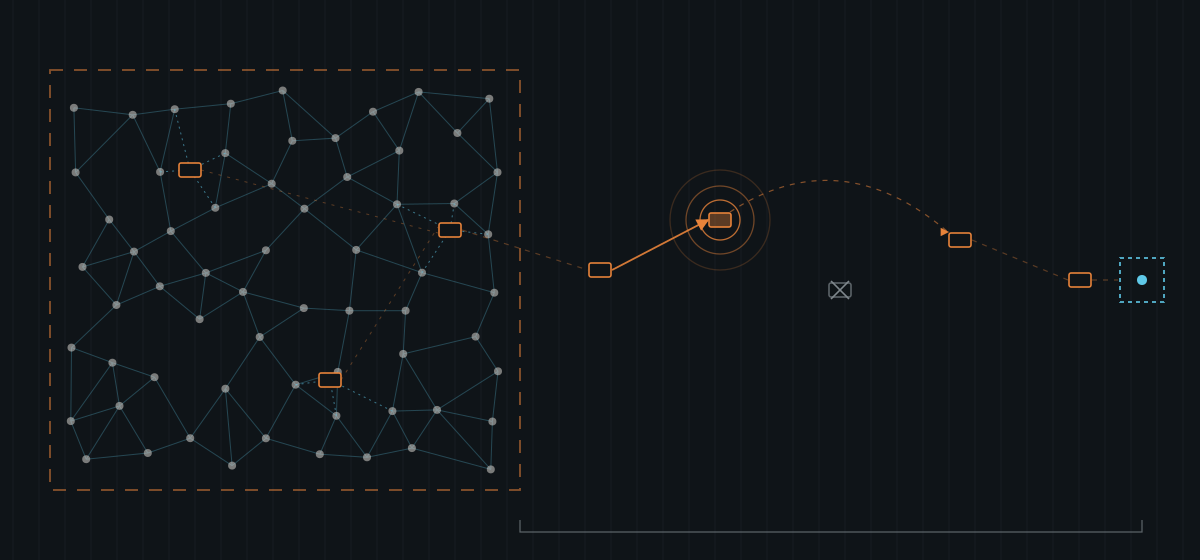
| R3Transmitter chain against direction finding | A fixed emitter is located and engaged | Radio-silence mode (Exensor); fixed gateways | Cigarette-pack-sized transmitter nodes form a chain to the rear; transmission hops along it at random; no fixed emitter, no periodic beacon (LPI/LPD, emission control by design) | Approach defined |
| R4Self-healing on node loss | Attrition, capture, battery end | Mesh relay (Exensor) | Sensor nodes and transmitters take over for failed ones; the field degrades gracefully, with no single point of failure | Approach defined |
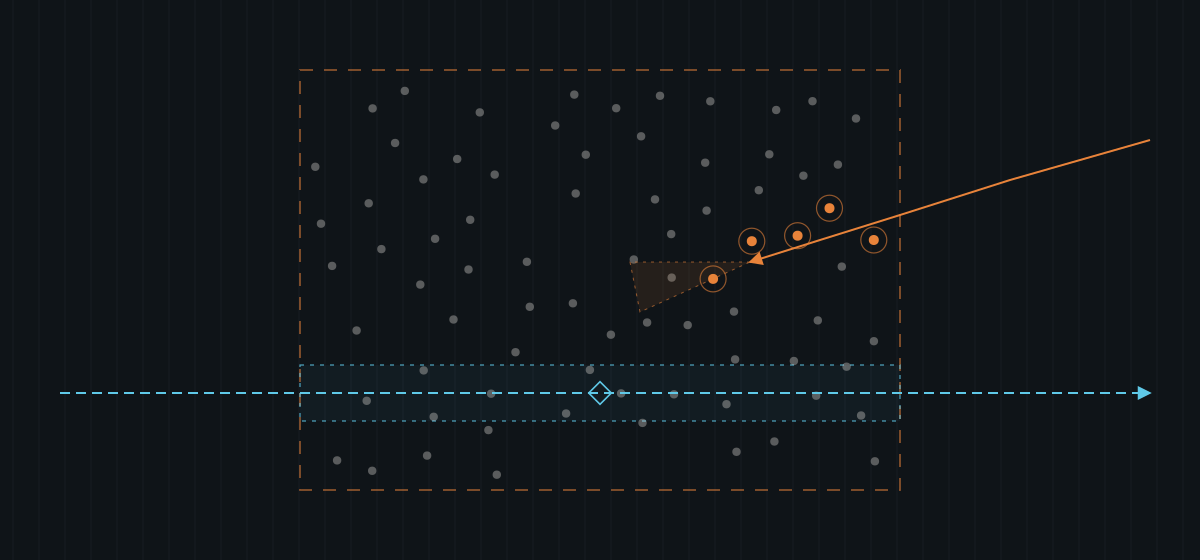
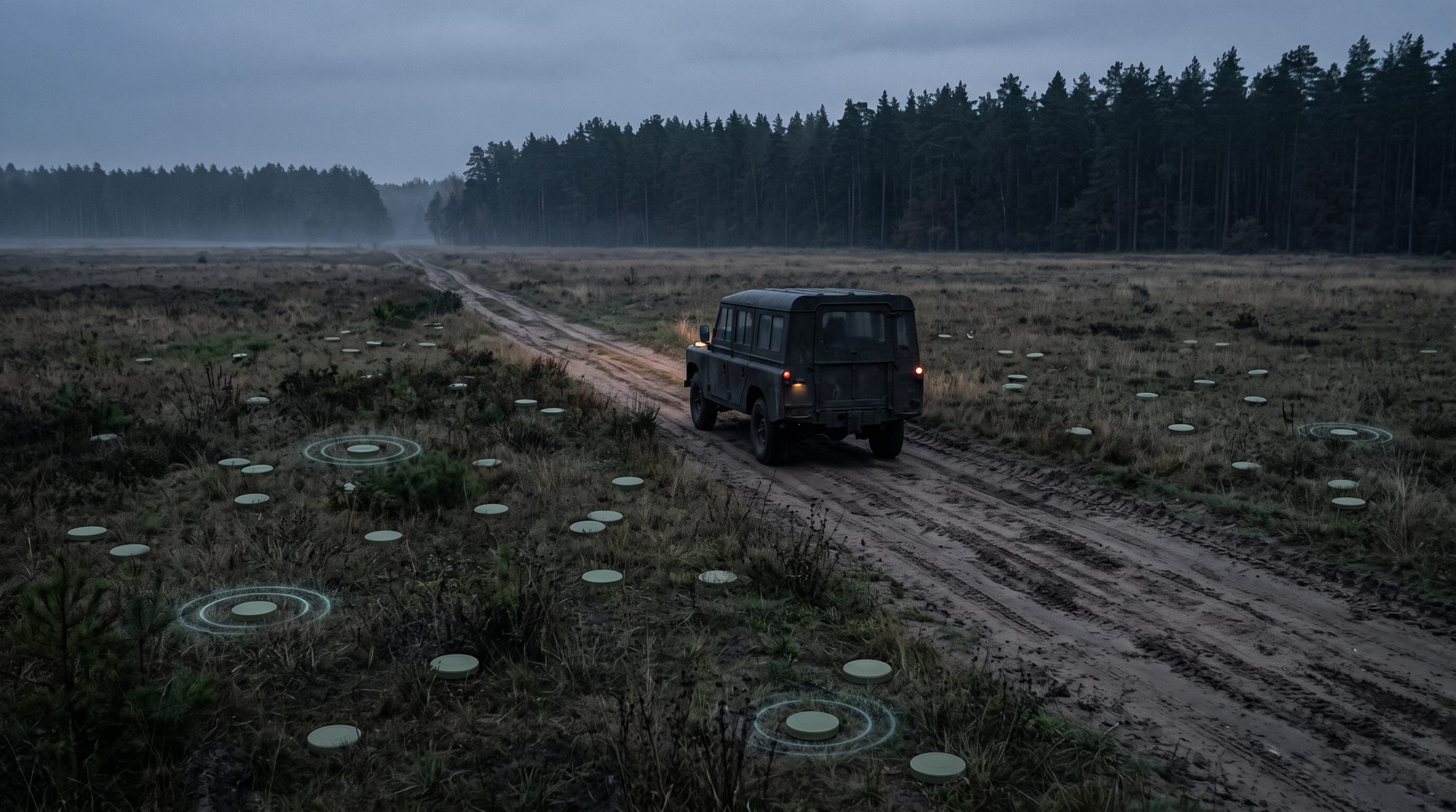
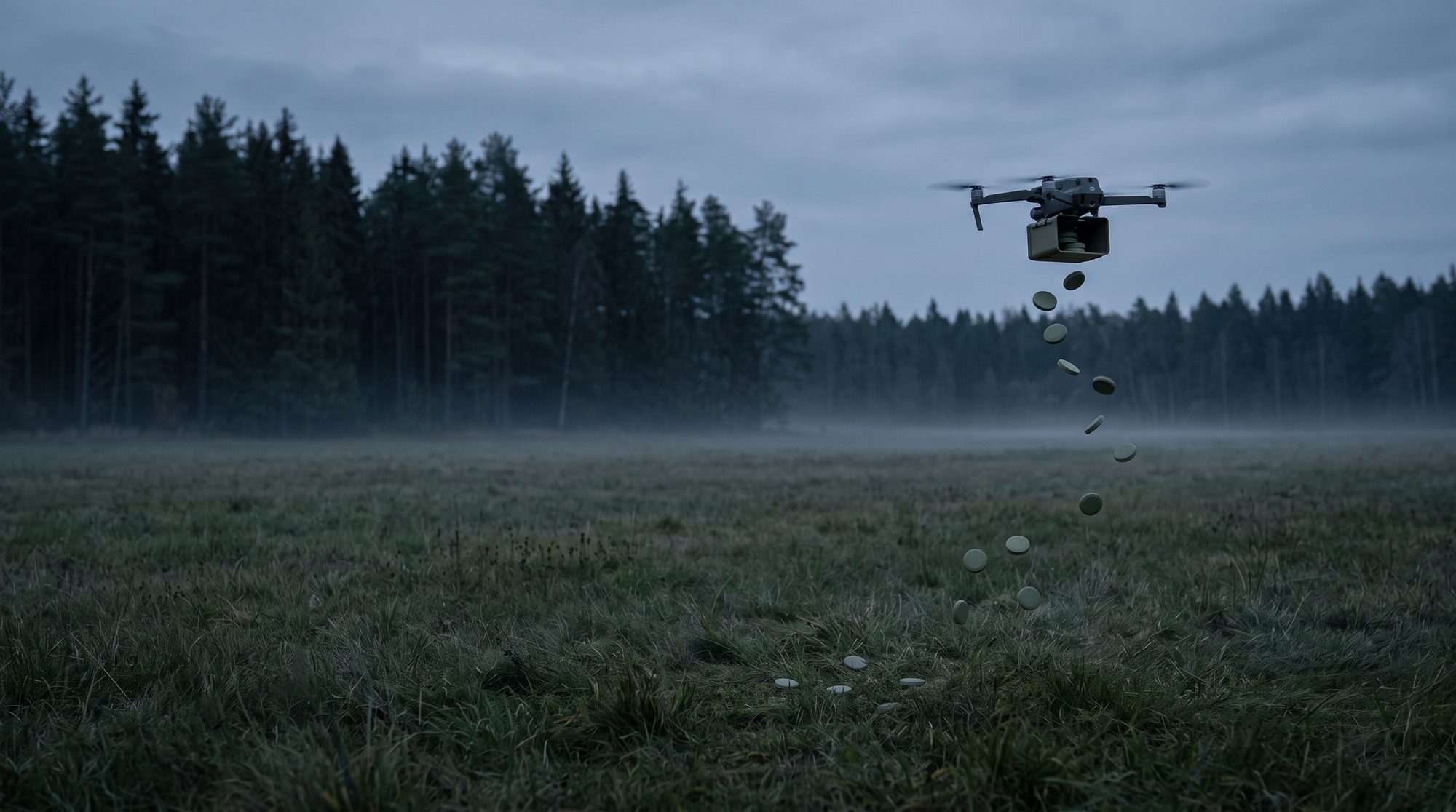
| R5Rapid denial: field live in 12–18 minutes | Hand-emplaced sensors and minefields take crews and time | Hand-emplaced UGS; mines laid by dedicated systems | Drone dispersal, automatic self-survey, optional announce signal | Approach defined |
| R6Friend-or-foe discrimination and friendly lanes | Own forces must pass without alarms; foes must not spoof friend | Not stated by vendors | Cryptographic identification token for own units; lanes opened and closed digitally | Approach defined |
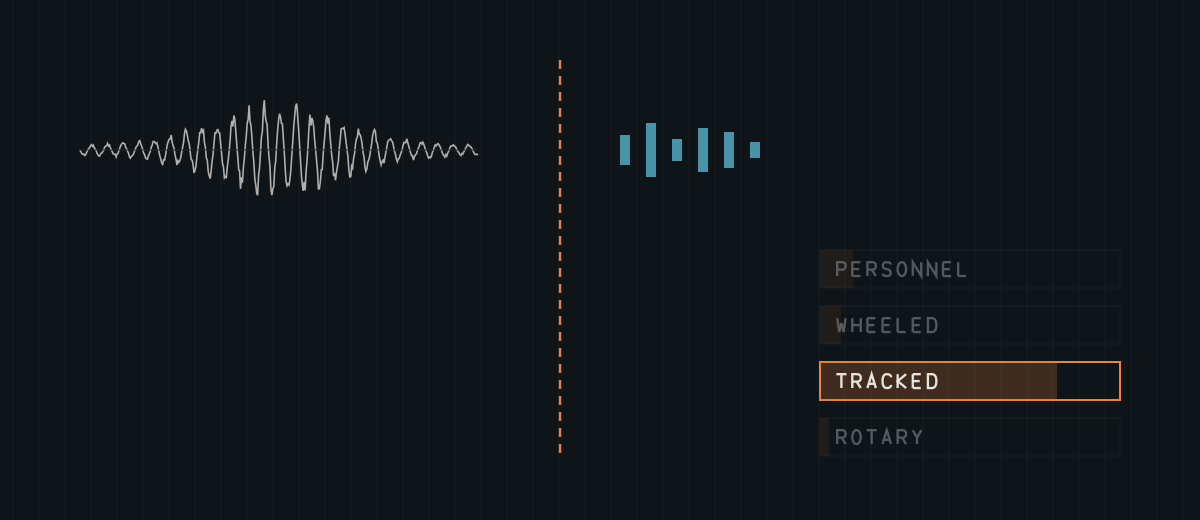
| R7Probability of detection vs. false-alarm rate | Wind, rain, wildlife; in Latvia acoustics could not tell a drone from a moped | Seismic-acoustic fusion standard; rates rarely published | Multi-modal fusion on the node, class plus confidence; measured rates to be published | Approach defined |
| R8Target classification (personnel / wheeled / tracked) | Soil-dependent seismics, domain shift across terrain | Personnel/vehicle classification standard | European signature corpus, terrain-tagged | Open — talent wanted |
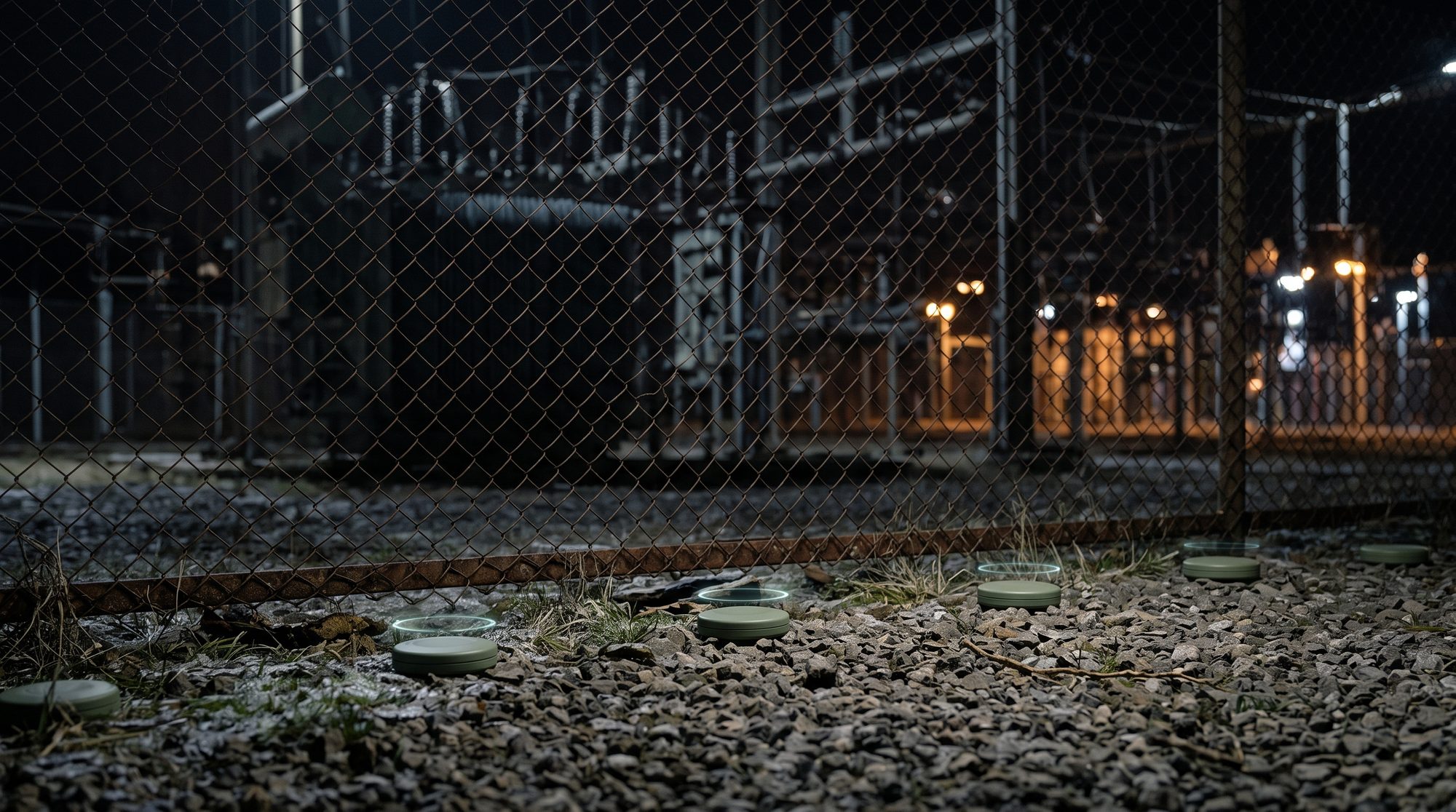
| R9Multi-sensor package in a coin-sized node | Size, power and cost per modality | Multi-sensor nodes are hand-sized and recharged | Mixed fields: base nodes plus specialist nodes | Approach defined |
| R10Ground coupling after air-drop | Random landing orientation versus seismic coupling | Hand-emplaced, often with a spike | Attitude sensing on landing, coupling-optimised base | Open — talent wanted |
| R11Drop survivability and drop mapping | Impact shock; where hundreds of nodes came to rest | UAS-deployed sensors now a procurement category (British Army, TRL 6, May 2026) | Logged release track as anchor, mesh refines | Approach defined |
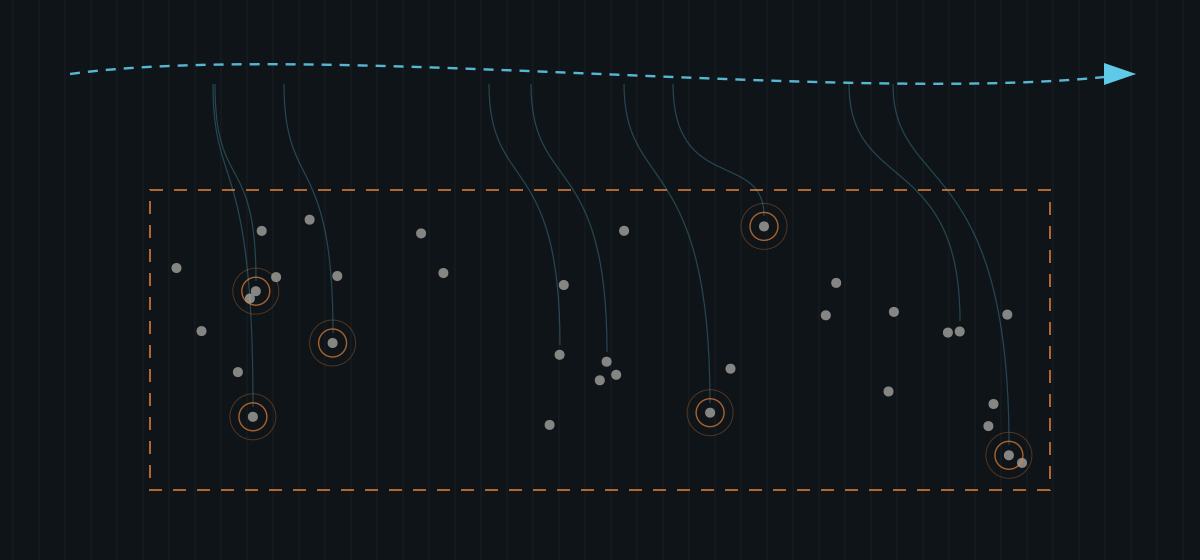
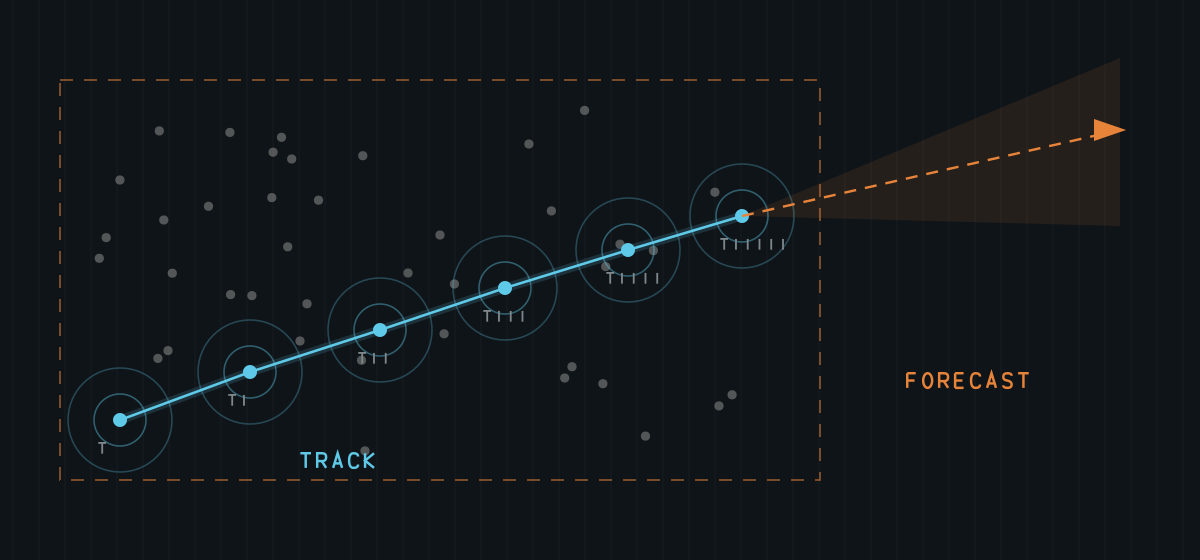
| R12In-field track handover and forecast | Distributed multi-target tracking, data association | Tracks assembled at the far end in command and control (C2) | Track passed node to node, continued as forecast | Approach defined |
| R13Energy: 12–15 weeks on a primary cell | Always-listening sensing at microwatt level, cold | Rechargeable or inductive, 30 days to 3 months | Sound-level wake-up, event-only radio, inert at end of life | Approach defined |
| R14Low probability of intercept and detection | An emitting field reveals itself | Radio-silence mode, store-and-forward (Exensor) | Event-only bursts from changing nodes | Approach defined |
| R15Exfiltration through contested spectrum | Getting the track out of the field under jamming | 900 MHz, Iridium, cellular | Chain of transmitter nodes carrying findings 3–5 km to the rear | Approach defined |
| R16Root of trust, attestation, anti-tamper | Captured nodes must not compromise the field | AES-256 and anti-tamper standard | Open RISC-V secure element made in Germany (Fraunhofer) | Building block proven |
| R17Robustness against spoofed signatures (EU AI Act Art. 15) | Adversarial inputs against a classification field | Not stated by vendors | Signed detections, versioned corpus, node attestation | Approach defined |
| R18Fast model update for new threats | New vehicle and drone types appear in weeks | Zvook: about a week of data, then remote update of all stations | Corpus update per production batch | Approach defined |
| R19Privacy for the civil line (GDPR) | Microphones near people | Not addressed by vendors | Classify and discard on the node | Approach defined |
| R20Record-keeping and end of life | Fields must be inventoried and declared spent | Nodes recovered and reused | Position, health and end of life reported; announce signal finds the field | Addressed by design |
| R21Lawful status and investability | Ottawa Convention; Article 9 funds exclude anti-personnel mines | Mines procured by PL, CZ, NL, IT, FR | No explosive, no initiating train, no effector in the node | Addressed by design |
| R22C2 interoperability | Units will not adopt another screen | Cursor on Target (CoT) for TAK clients, SAPIENT | Disclosed on request; integration path to D-LBO (Digitalisierung landbasierter Operationen) to be assessed | Approach defined |
| R23Environmental and EMC qualification | Military acceptance | MIL-STD-810, MIL-STD-461, IP68 | Target qualification | Open — talent wanted |
| R24Unit cost and European supply chain | Attritable only at low cost; over 55 % of high-sensitivity sensing elements sourced outside Europe | Multi-sensor nodes EUR 2,500–15,000; Sky Fortress USD 400–1,000 | Disclosed on request | Open — talent wanted |